


Yellow Fish Campaign
Help Keep Our Bathing Waters Clean
Small actions at home, in the garden and on the beach can make a big difference.
Water is a precious resource — and many surface drains lead straight to rivers, estuaries and the sea. That means anything we put down them can end up in our bathing waters and harm wildlife.
We can’t control everything, but simple everyday choices help protect nature and keep our waters clean for everyone.
The Yellow Fish Campaign
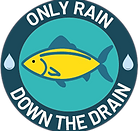
Have you seen this fish?
You may spot small yellow fish markers beside drains.
These remind us that surface water drains are not treated —
so anything entering them can flow directly into:
-
rivers
-
lakes
-
estuaries
-
the sea
The Yellow Fish Campaign helps people understand where pollution comes from, how it reaches our waters, and the small changes we can all make to prevent it.
What’s the Problem?
Surface water pollution happens when harmful substances enter watercourses through runoff or direct discharge.
Common pollutants include:
-
litter and cigarette butts
-
oil, fuel and chemical spills
-
pesticides and fertilisers
-
detergents from car washing
-
pet waste
-
sewage overflows
-
industrial discharges
These pollutants can damage ecosystems, harm wildlife and affect water quality.
Good news: everyday actions at home and in the community can help prevent it.
Stay Informed About Local Water Quality
Water quality can be complex. These resources help you stay up to date:
🔗 Useful Links
-
Catchment Data Explorer – information on rivers, estuaries and coastal waters
-
Pollution Forecasts – check local conditions
-
Swimfo – bathing water quality reports
Three Ways You Can Help
1️⃣ Only Rain Down the Drain
Surface water drains are not connected to the sewer system.
They flow straight to natural watercourses.
✔ Everyday actions:
-
Bin your litter — especially cigarette butts. Join a local litter pick if you can.
-
Check for misconnections — older homes sometimes have pipes wrongly connected.
-
Think Sink — avoid pouring fats, oils, chemicals or detergents down the drain.
-
Remember the 3 Ps — only pee, poo and paper down the toilet.
-
Dispose of chemicals safely — paints, solvents and DIY waste should go to recycling centres.
-
Car washing — wash on grass or gravel, use eco‑friendly detergents, and don’t pour soapy water into drains.
-
Green your garden — minimise pesticides and fertilisers; never pour them down drains.
2️⃣ Slow the Flow
Reducing water use and slowing runoff helps prevent flooding, storm overflows and pollution.
✔ Simple ways to help:
-
Be water smart — shorter showers, turn off taps, delay washing during heavy rain, reuse dehumidifier water.
-
Create a flood‑friendly garden — water butts, rain chains, rain gardens, and plants that tolerate wet conditions.
Support local initiatives — natural flood management projects like wetland restoration, tree planting, leaky dams and sustainable urban drainage systems (SuDS).
Many groups welcome volunteers.
3️⃣ Protect Nature, Protect Our Waters
Small changes in our homes, gardens and boats help keep our bathing waters clean, safe and enjoyable for everyone. Help Combe Martin Water Watch keep our beautiful beach clean.



Supported by: